


Hello everyone,
Today, we are launching the Mini Philosophy Masterclass page for paid subscribers.
The idea is that I will upload short segments from my interviews with the biggest names in academia that will spark a conversation, seed an idea, or help steer our lives. In this first batch, you will find (among others):
Historian, activist, and Humankind author Rutger Bregman on how to redefine success.
Author and “Daily Stoic” Ryan Holiday on Elon Musk — and “the genius and the demon.”
Bestselling author and literary giant Ian McEwan on why we crave connection.
Over the coming weeks and months, I will update this page with more videos, more big names, and content from a variety of different disciplines. I will also begin to upload my own longer 5- to 10-minute explainers—a kind of Philosophy 101. I’ll explore proofs for God, the main theories of ethics, definitions of beauty, the basics of political philosophy, and so on.
So, if you want to enjoy that, please pop over to the Mini Philosophy Masterclass page (or consider upgrading if you haven’t already).
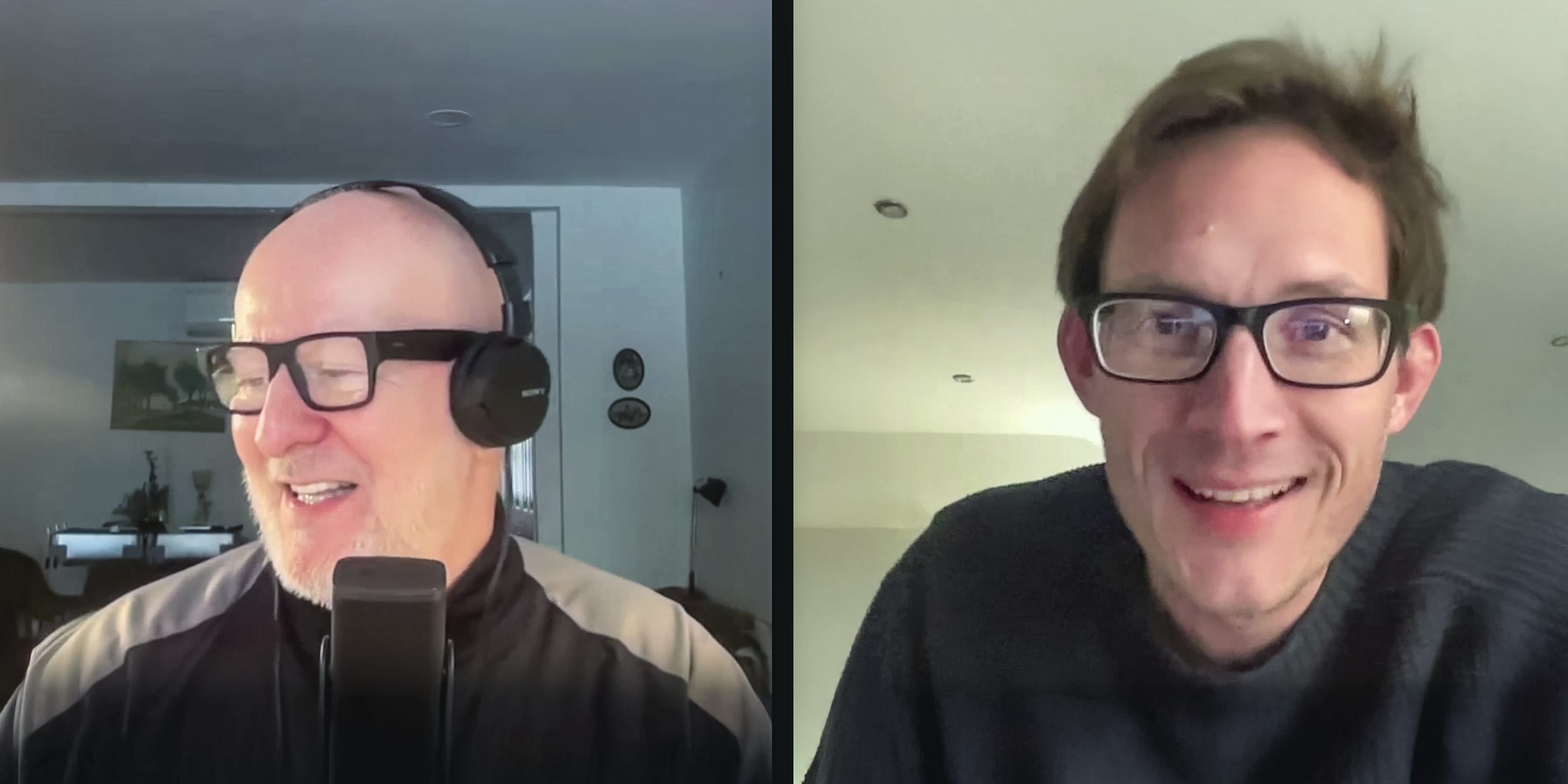
Today, though, I offer Mini Philosophy members the full video of my conversation with the philosopher Simon Critchley, where we discuss “metamorphosis.”
One of the most popular posts and notes I’ve done here on Substack was about “metanoia” and rebirth after a cataclysm, so I really enjoyed unpacking that idea a bit more in this interview. I hope you enjoy the video and my essay on the topic below.
Go well,
Jonny
I have a love-hate relationship with Freud.
On the one hand, there’s a kind of guttural appeal to his notion of the unconscious. Like most people, I tend to think my dreams are telling me something and that my psyche is governed by these swirling, unseen psychodynamic forces. I generally believe that talk therapies are beneficial to almost everyone and that sitting down for an hour’s introspection with a trusted ally is never a bad thing. And yet, I don’t think about my parents that much. I don’t dwell on the past as much as a psychoanalyst would suspect — I try to look forward more than backward. When you spend so much time repairing what is broken, you never build or find anything new. When you spend your life unpacking the past, you never live in the present.
As I said to a close friend of mine on the weekend, “I’m sure there’s all sorts of trauma lurking in my childhood if I dug around a bit…